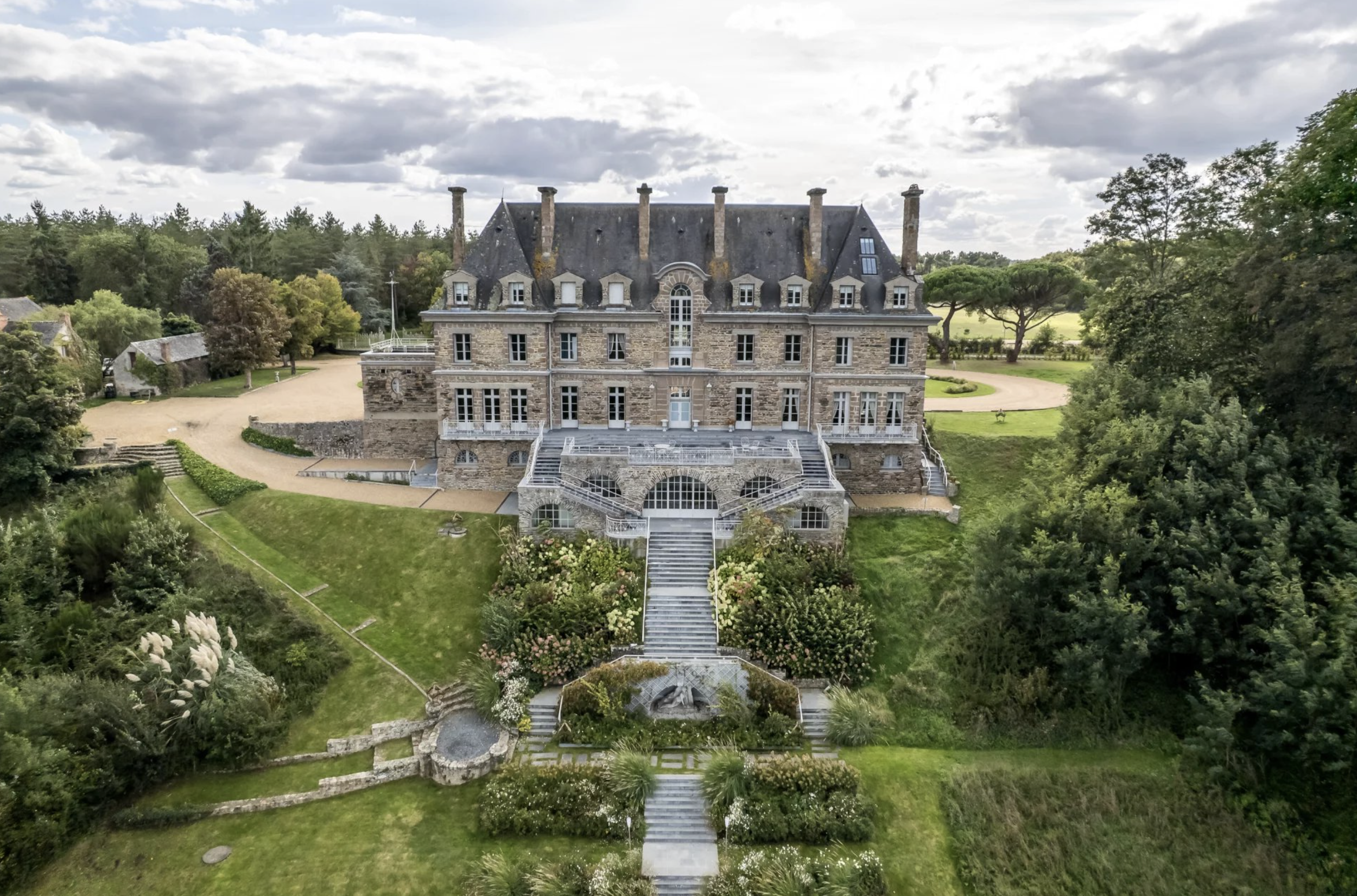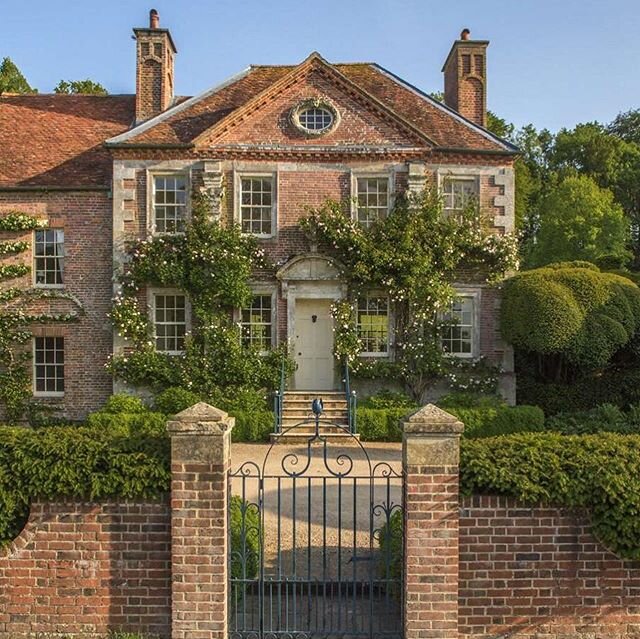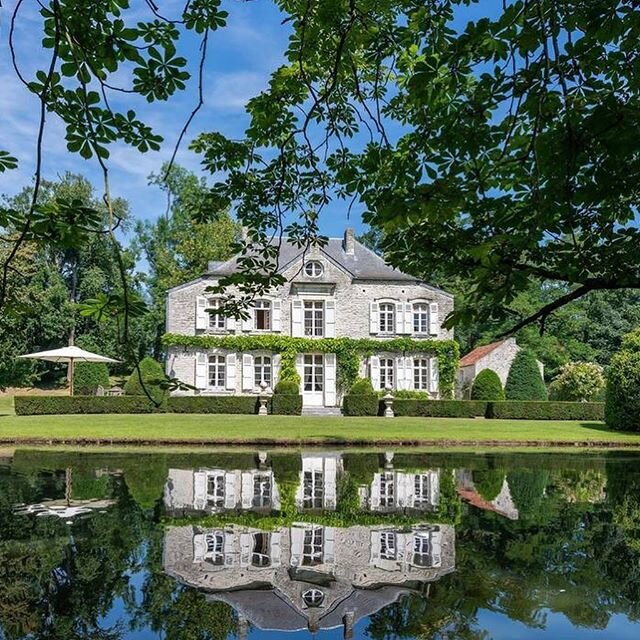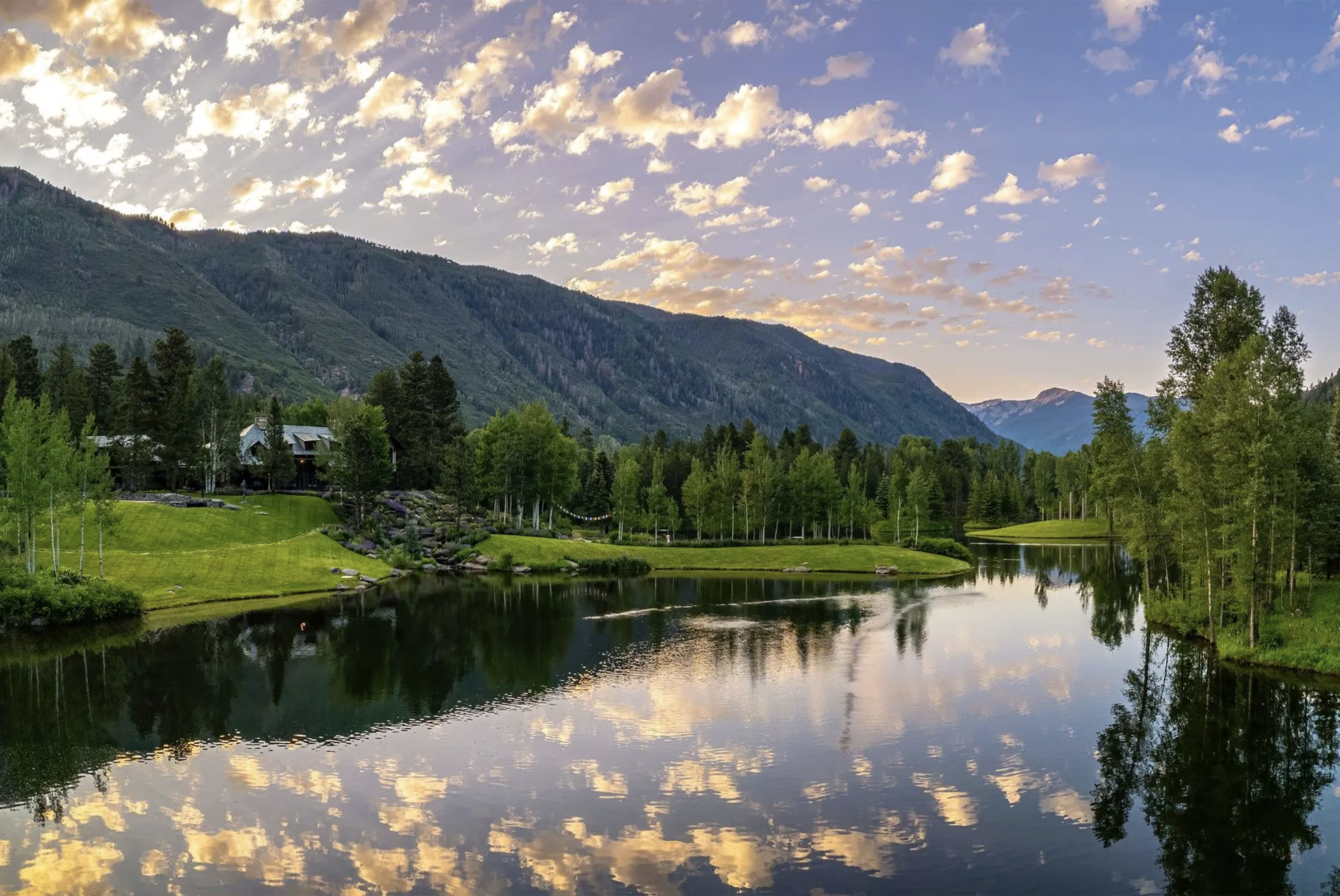
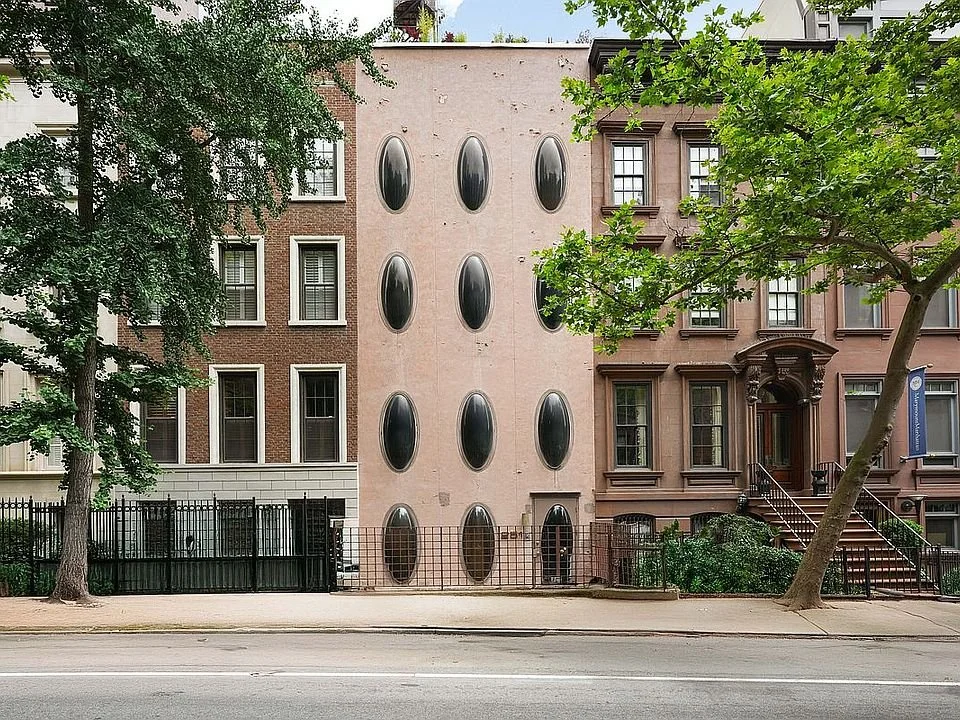
Built in the 1930s and restored in 2018, this château in historic Anjou was commissioned by the family behind the Cointreau liqueur house, whose roots lie in the region.
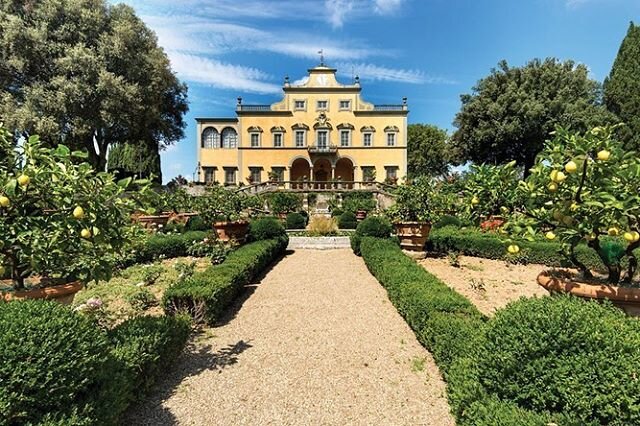
Where the modern nation of Italy was born: Giuseppe Garibaldi, the revolutionary general leading the campaign to unify Italy, publicly declared that the Kingdom of the Two Sicilies in on September 7, 1860 from the palace’s principal balcony. the final, symbolic step that allowed modern Italy to come into being months later.
Built in 1721 and set above the vineyards of Satigny, Château de Choully is a fully restored Swiss heritage estate surrounded by protected wine country and just minutes from Geneva.
A neoclassical pleasure pavilion designed by Claude-Nicolas Ledoux has reportedly sold just west of Paris after years on the market. Built in 1771 for Madame du Barry, the last official mistress of Louis XV, the Pavillon de Musique du Barry remains one of the most architecturally significant heritage estates to trade hands in recent years.
Set in southern Champagne’s Côte des Bar, the manor occupies a transitional landscape where Champagne gives way to Burgundy, offering scale and breathing room that more established wine regions no longer can—while remaining within two hours of Paris.
A once-in-a-generation opportunity to acquire a defining work of midcentury modern architecture, preserved by the same family since 1960. Case Study House No. 22 now enters its next chapter above the Sunset Strip.
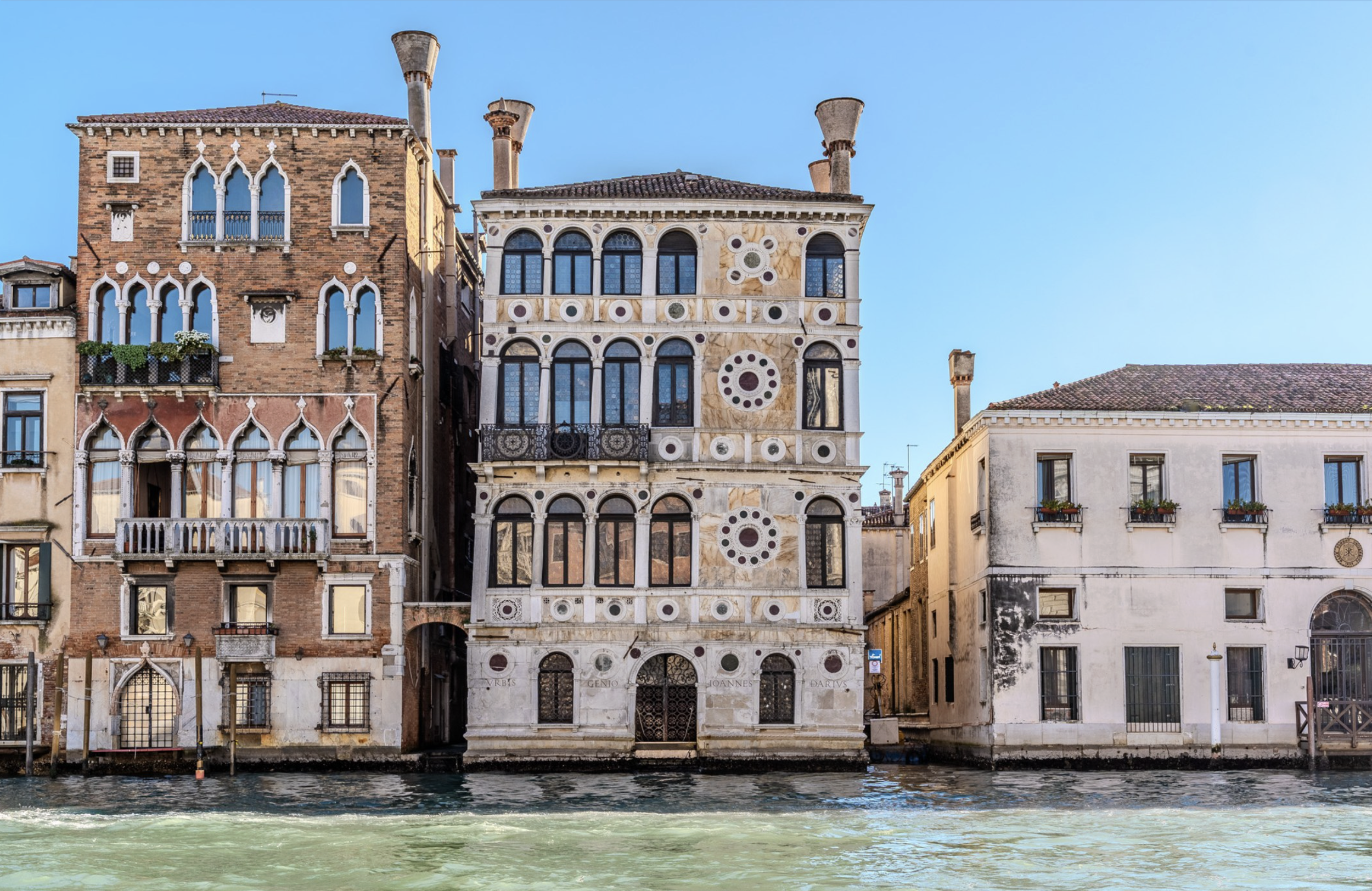
A 15th-century Grand Canal palazzo returns to the market following major structural restoration—securing the most complex phase of work in a city where such interventions are rare. Ca’ Dario is now positioned for completion with architectural integrity intact.
Just 12 miles from Paris, beyond the gilded gates of Versailles, the Château de la Bretèche has re-entered the public market for the first time in nearly 80 years.
A large-scale 18th-century wine estate in the South Luberon comes to market as a full restoration project, combining working vineyards, historic architecture, and rare land holdings within reach of Aix-en-Provence.
Constructed between 1919 and 1921, this Liberty-style villa is a late and well-preserved example of Italian Art Nouveau, located in Verona’s San Zeno district, just steps from Piazza Bra and the Arena. The property overlooks the Adige River—whose bends shape the city’s historic core—and is set within a private garden in the heart of Verona.
The château occupies a rare position in southwest France, on the historic borders of Gascony—set on the edge of a small village, yet oriented almost entirely toward its own private grounds.
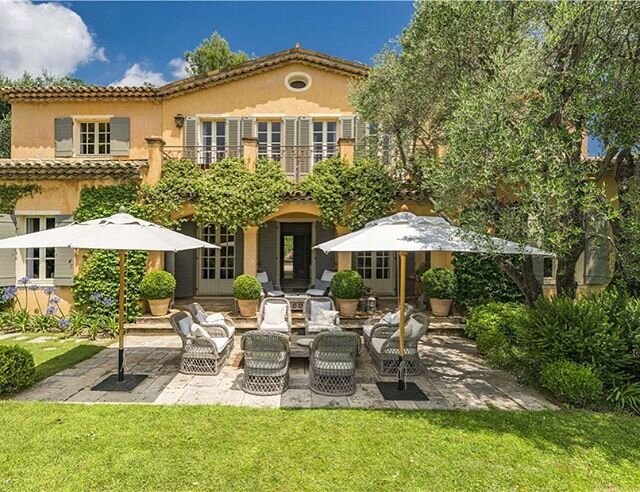
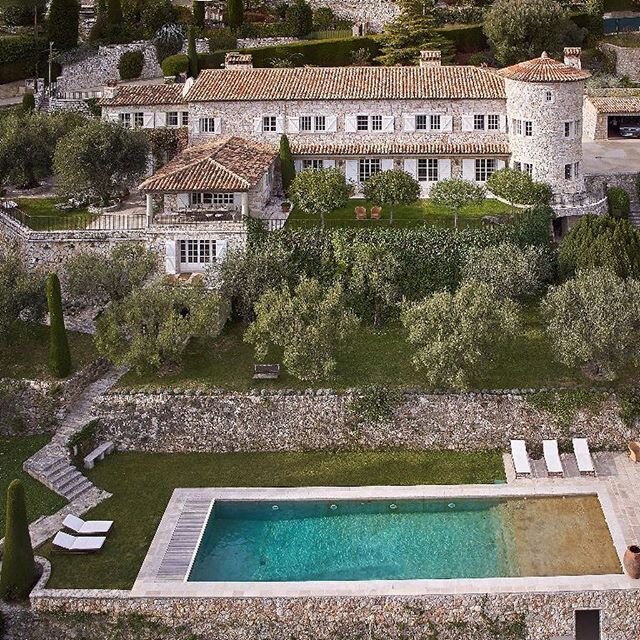
This French Riviera estate brings together multiple independent residences and a full-size private tennis court set in 7.4 acres of landscaped grounds in the hillside enclave of Grasse’s Saint-Jean district, widely regarded as one of the town’s most discreet residential areas.